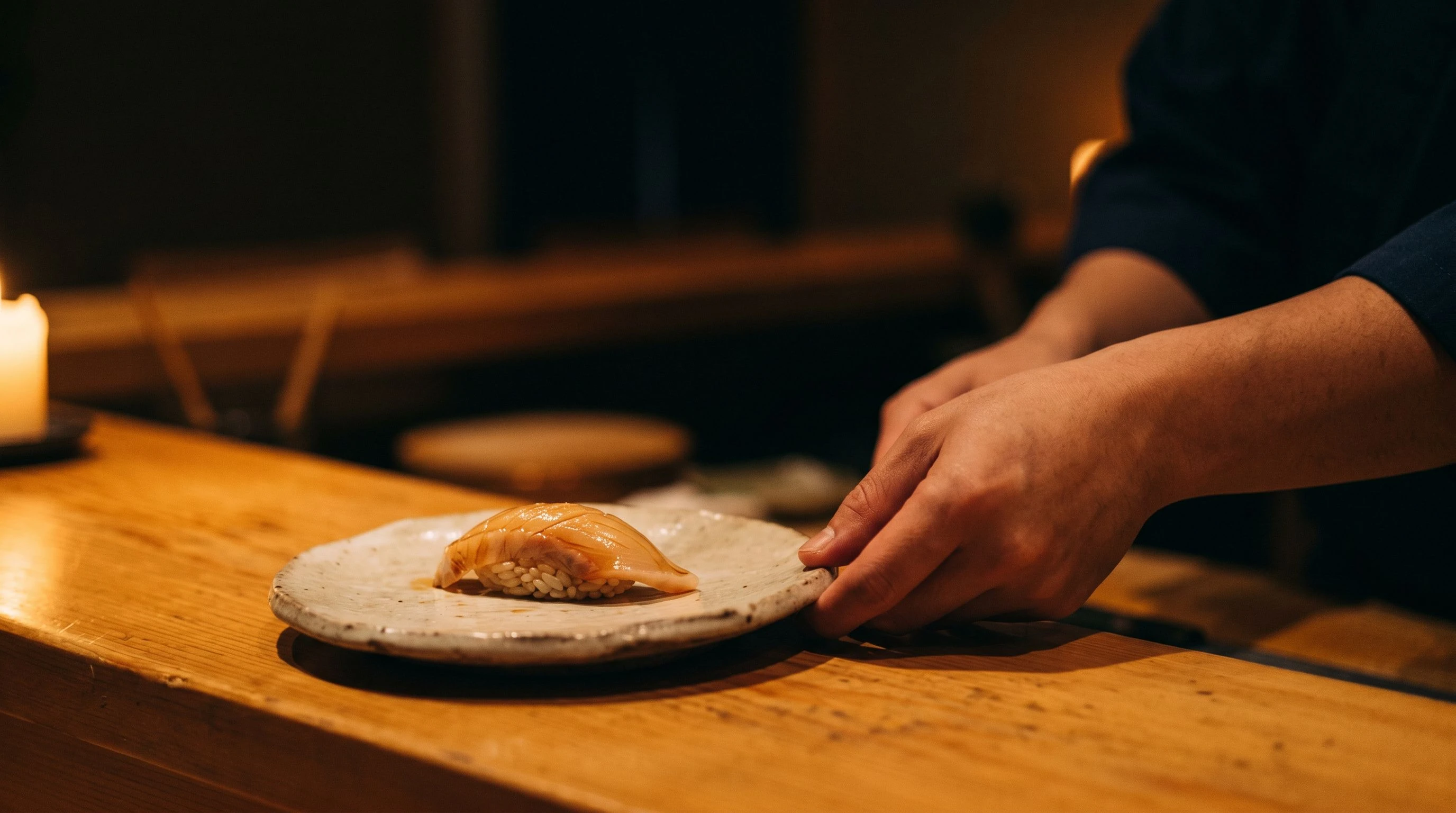
New York has never lacked ambition. It has lacked this.
Four forms of Japanese dining — one roof, one kitchen, one standard — for the guest who will not settle for a single note when the full composition is available.
Omakase Bar
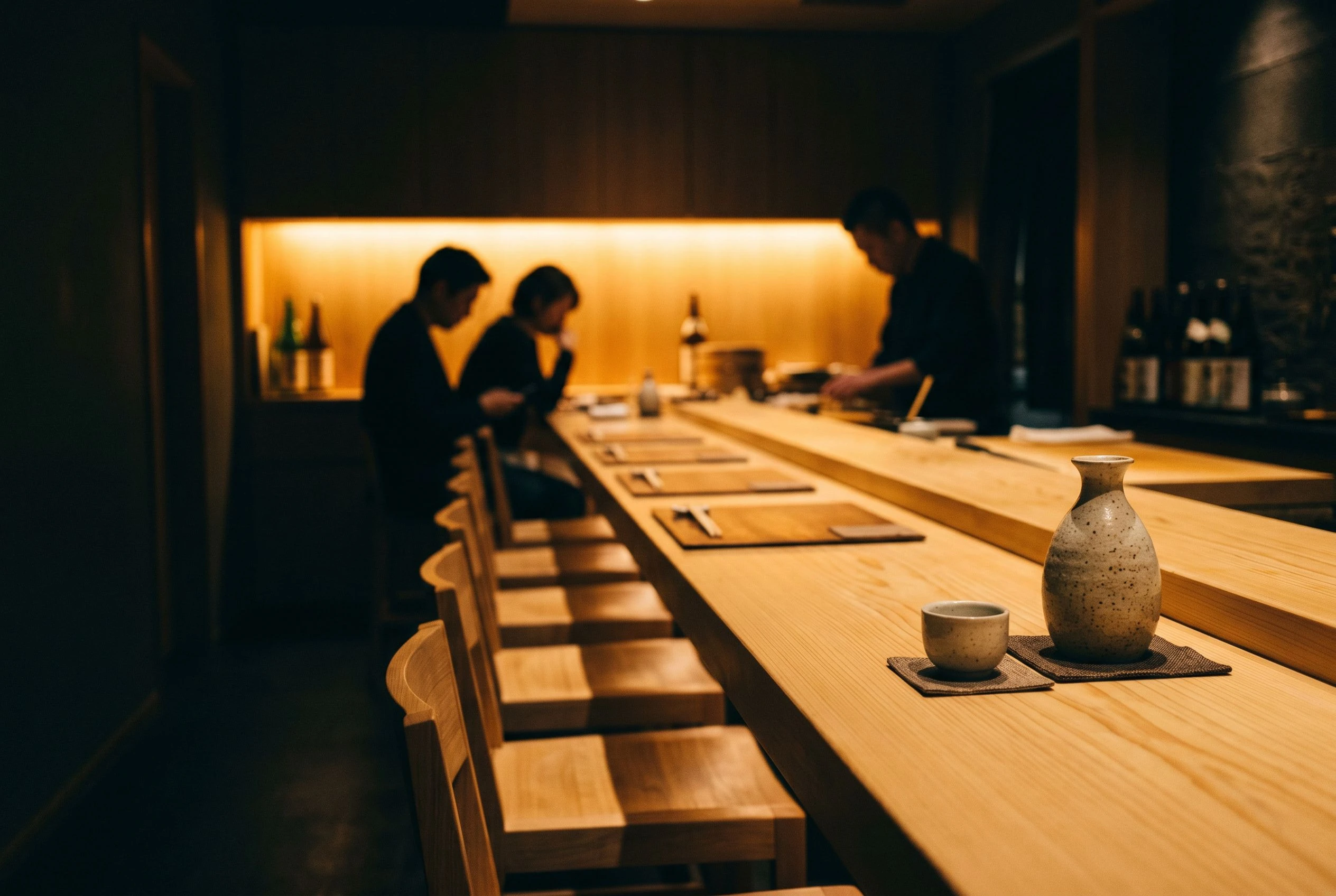
Eight seats. No menu to consider, no decision to make — only the chef's judgment, expressed one course at a time. The omakase bar at Sunrise on Mount Fuji seats guests directly at the hinoki counter, where each piece arrives at the precise moment it is ready and the conversation between kitchen and guest is conducted entirely through what is placed before you.
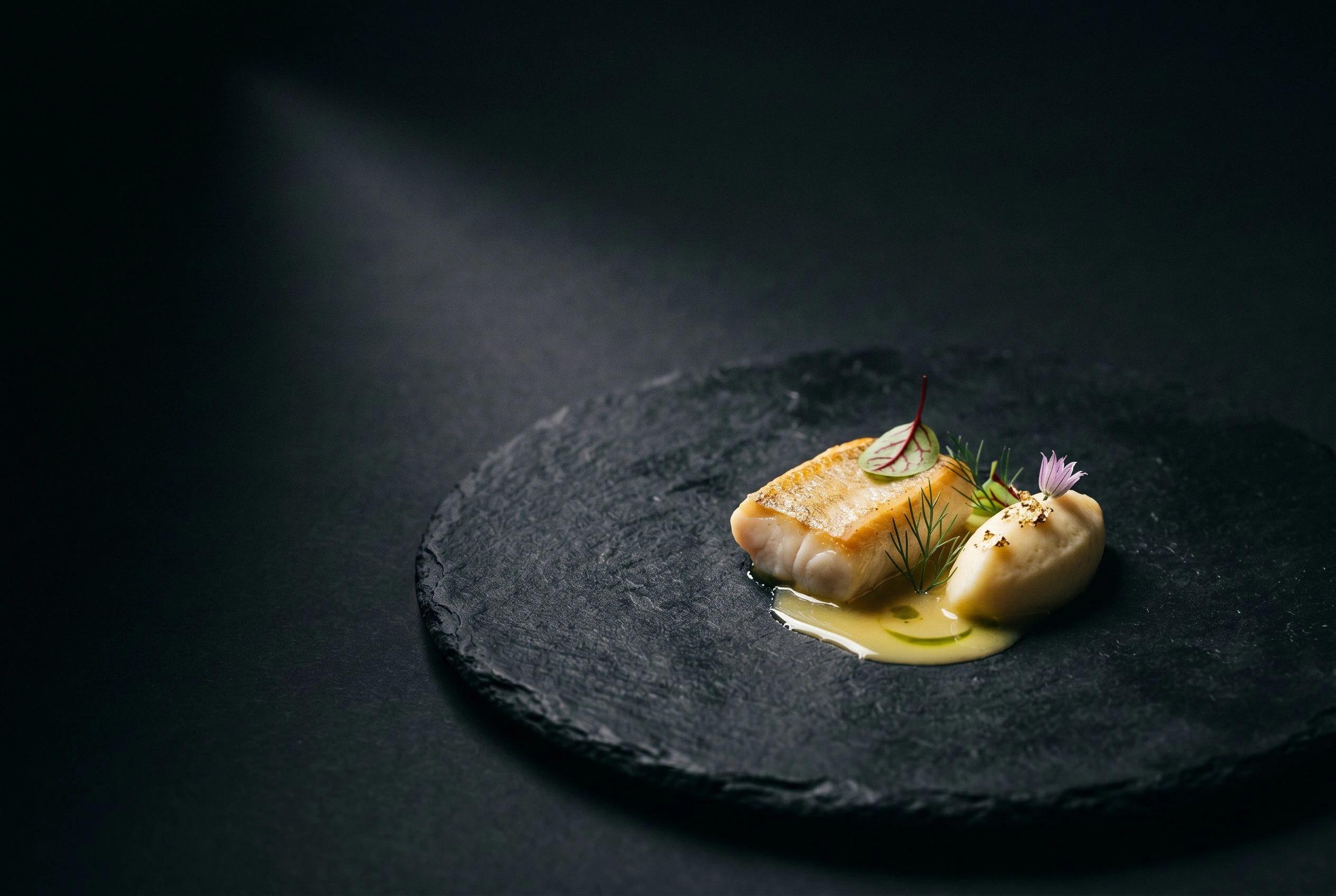
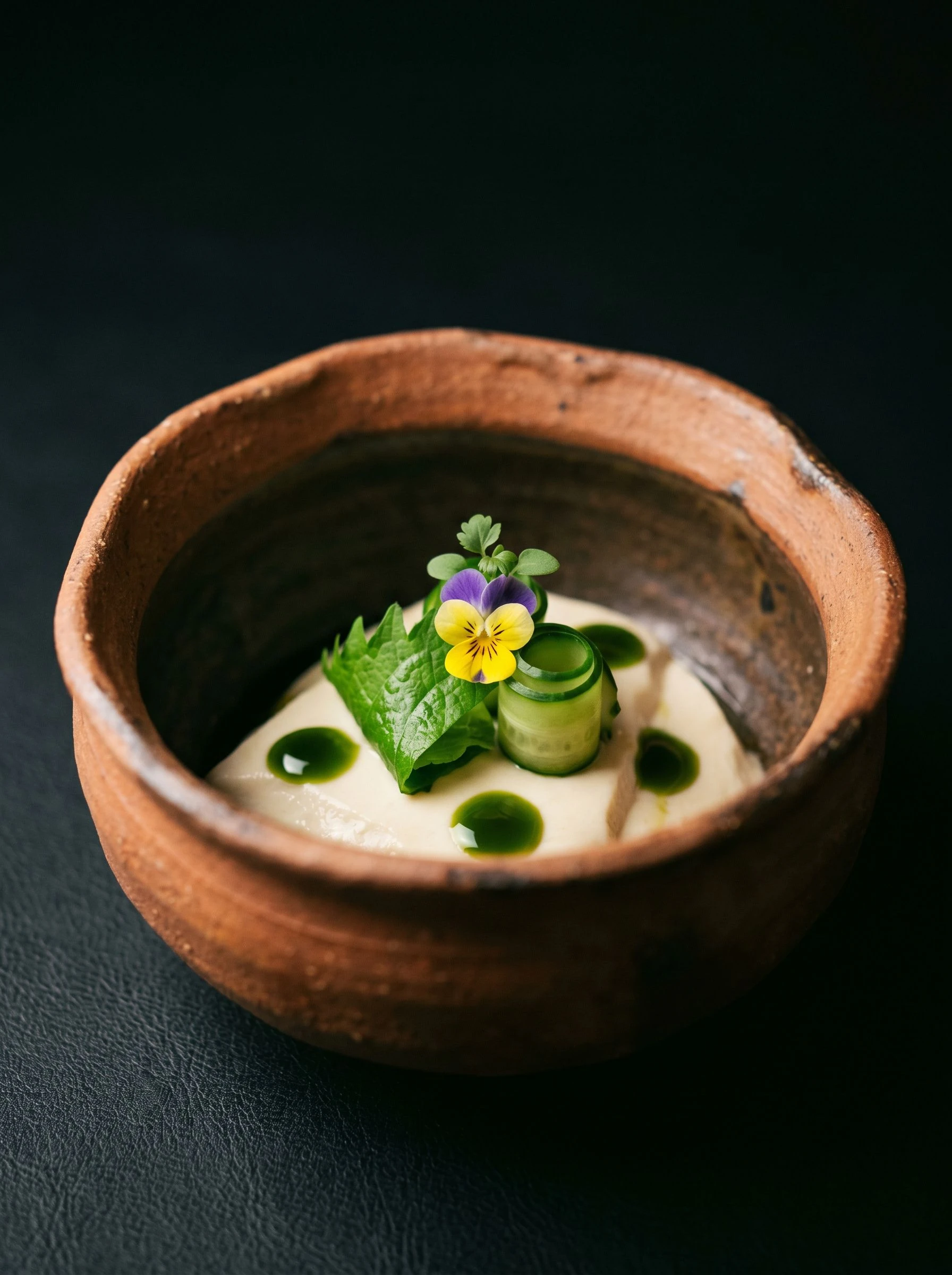
Every element on the plate has a name.
The catch
The catch
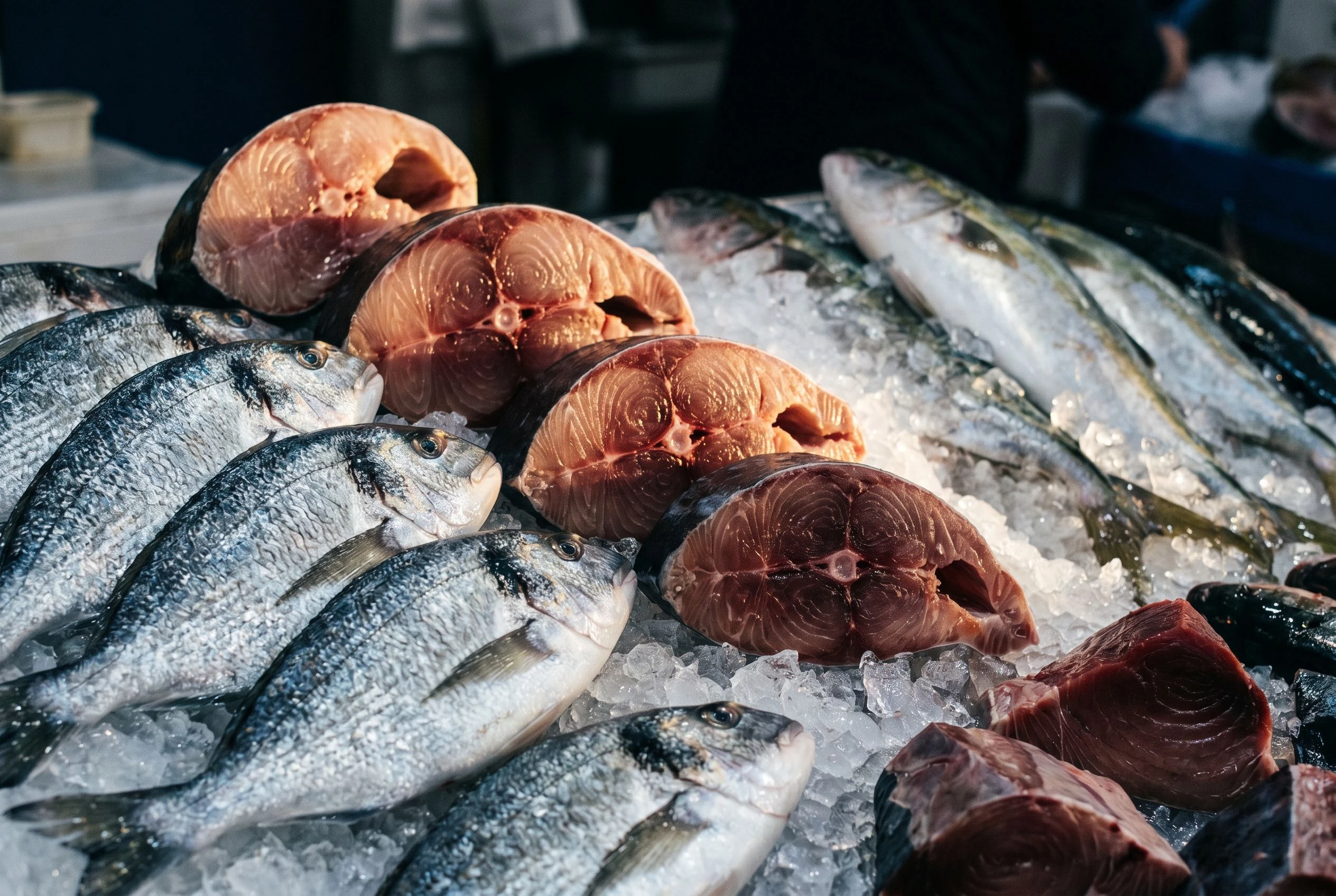
Our seafood arrives from Toyosu Fish Market in Tokyo — the source that sets the standard by which every serious omakase counter in this city is judged. We purchase directly, which means no intermediary, no cold-chain guesswork, no elapsed time between the market floor and our counter. The fish that arrives on Tuesday morning is on the plate Tuesday evening, at the temperature and condition the chef intended. Provenance is not a marketing claim here. It is the opening argument of the meal.
The lineage
The lineage
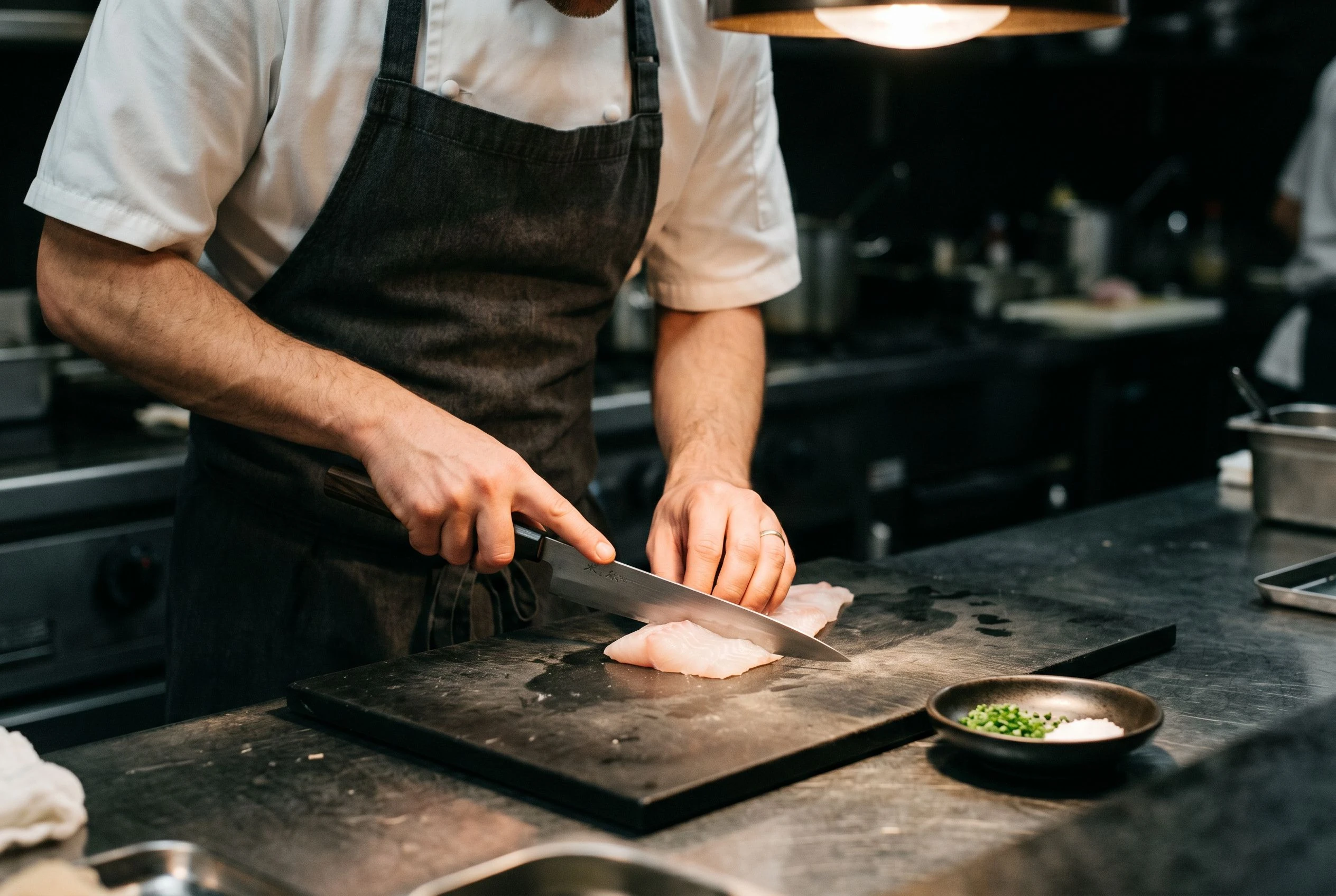
Our head chef trained for nine years in Japan — three at a kaiseki ryori in Kyoto, six at a sushi-ya in the Ginza district of Tokyo where the counter seated eleven and the reservation list ran four months deep. He returned to New York not to replicate what he learned but to ask what Japanese fine dining becomes when it is genuinely rooted in that tradition and genuinely responsive to this city. The answer is this kitchen.
The foundation
The foundation
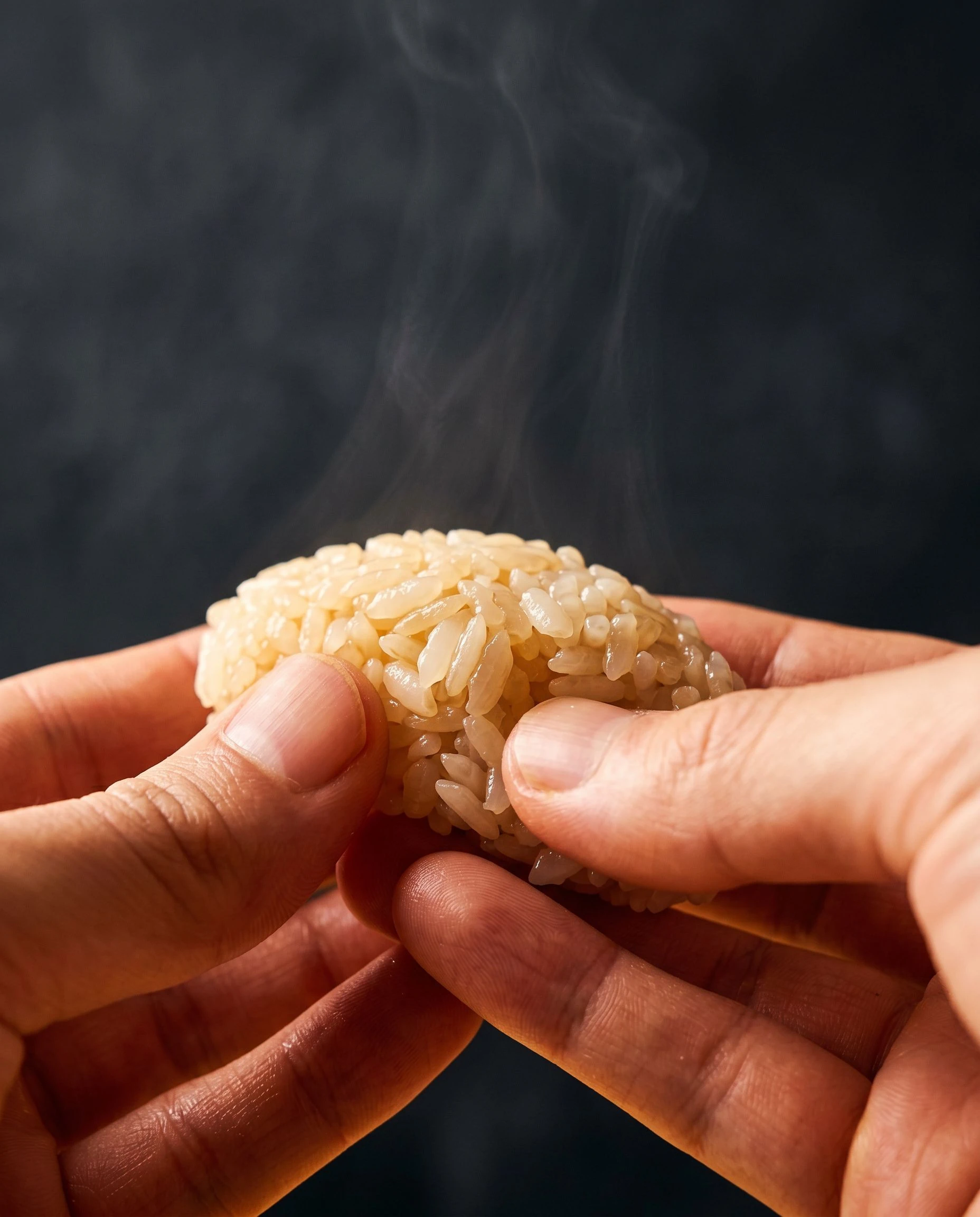
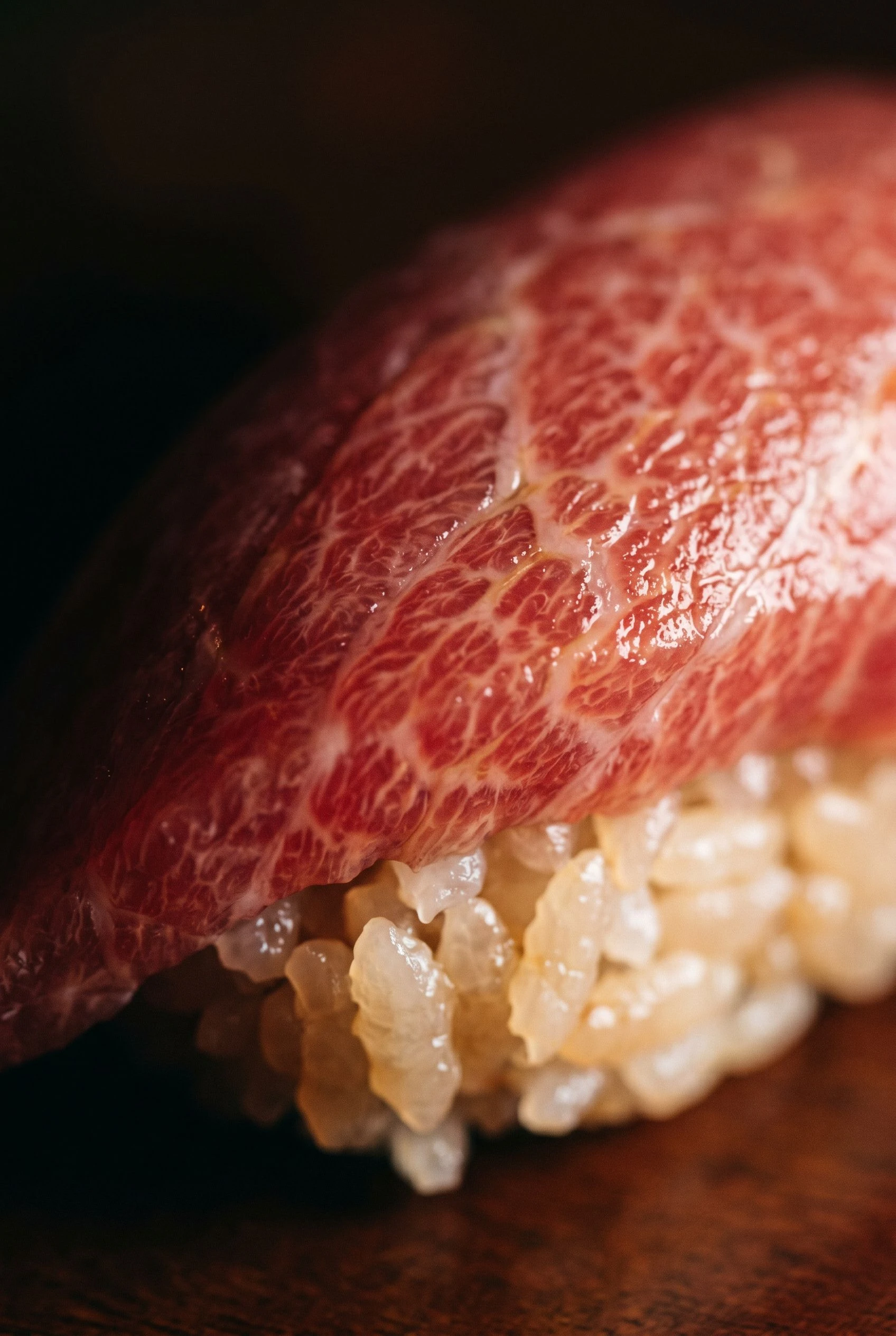
The rice is Koshihikari, sourced from Niigata Prefecture — the region Japanese rice farmers consider the standard above all others. The vinegar is a red-rice akazu, aged and blended to a specification the chef developed over two years of testing. Sushi rice is not a supporting element. It is the reason one piece of nigiri at this counter tastes entirely different from a piece made with the same fish served elsewhere. We do not abbreviate this.
The living menu
The living menu
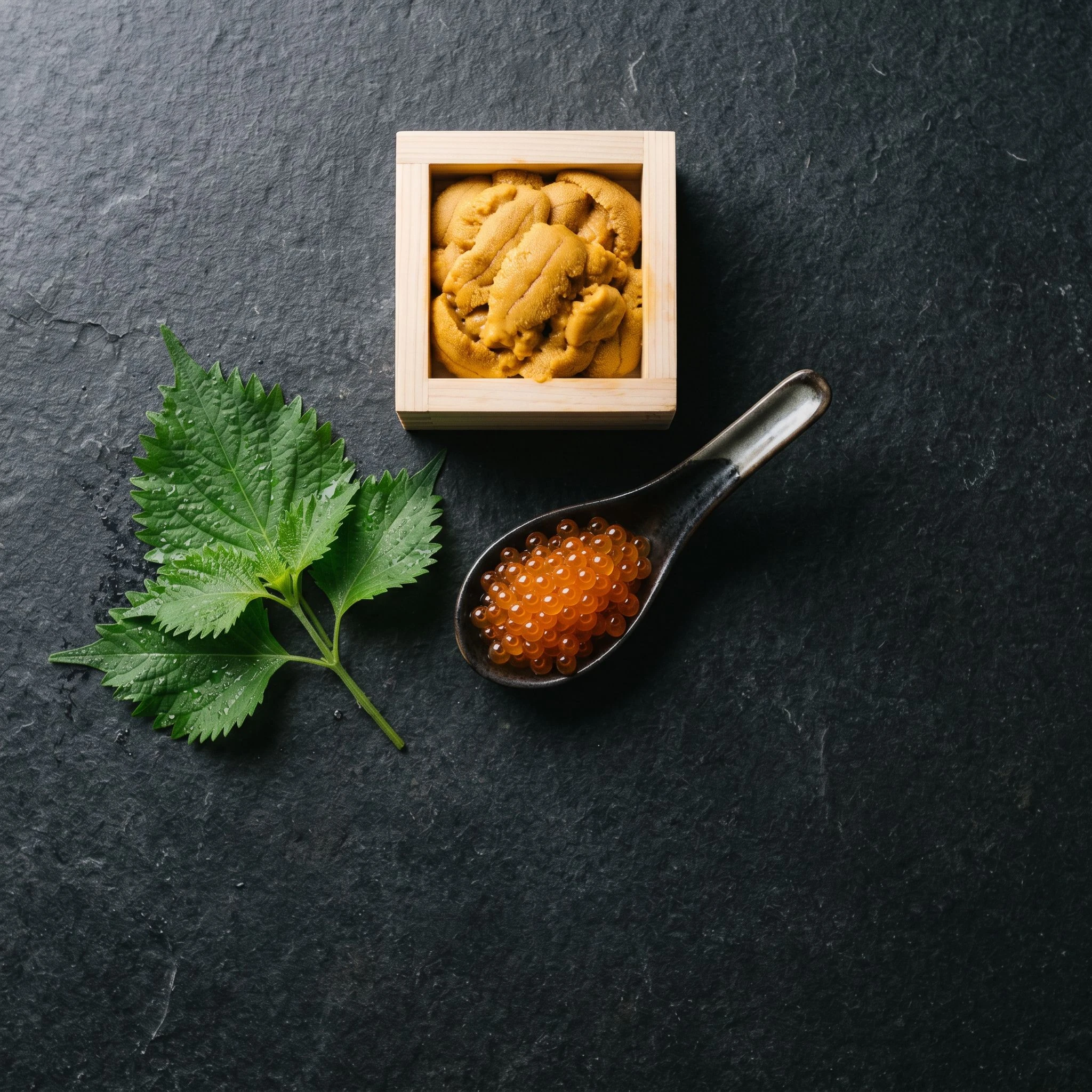
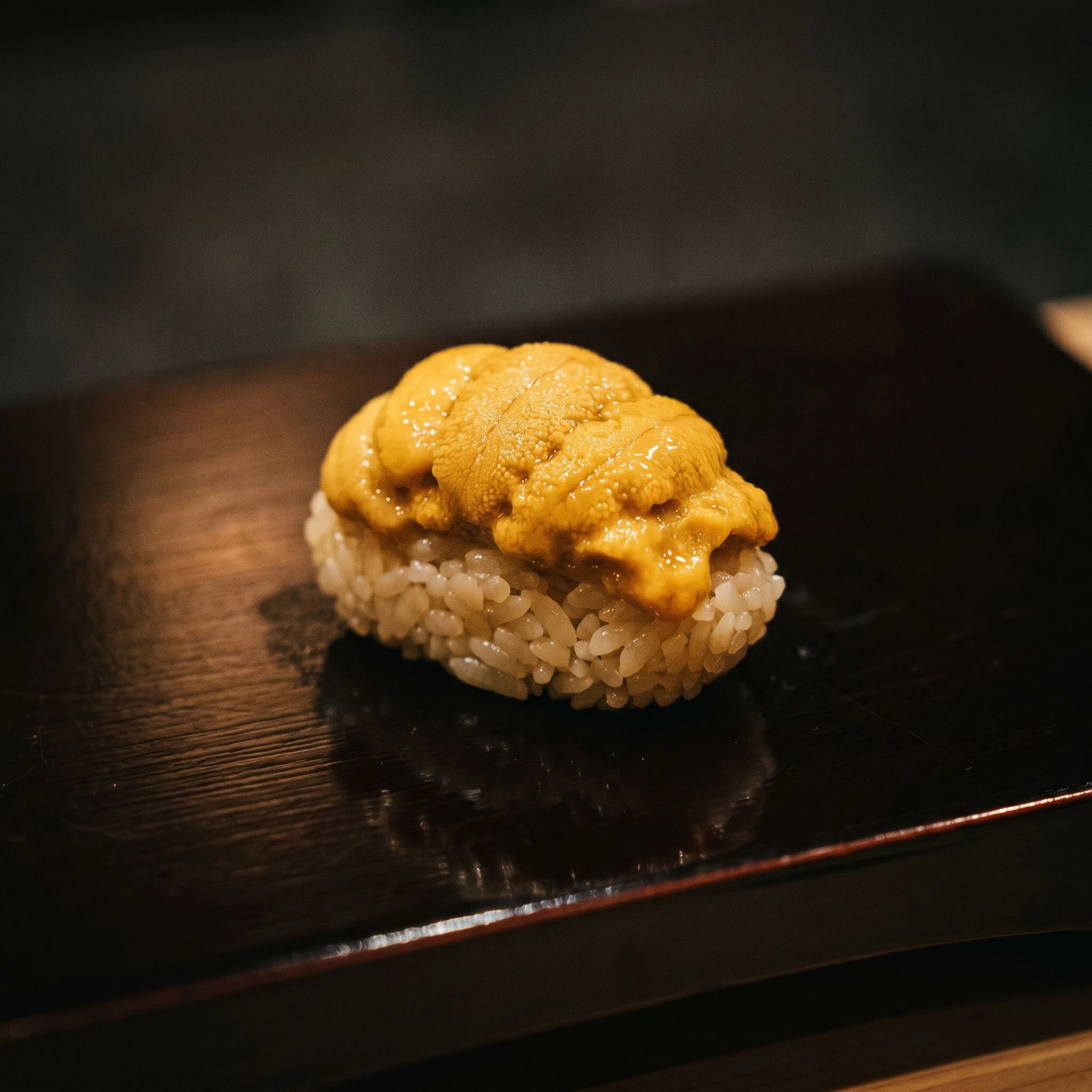
The omakase and tasting menus change with the season, and the season changes more often than the calendar suggests. Uni shifts in character between June and September. Shiro amadai arrives when the market offers it and is gone when it does not. Ikura peaks in autumn and the menu acknowledges this without apology. A menu that is identical in February and August is not a menu written by anyone paying attention. Ours is never the same twice.
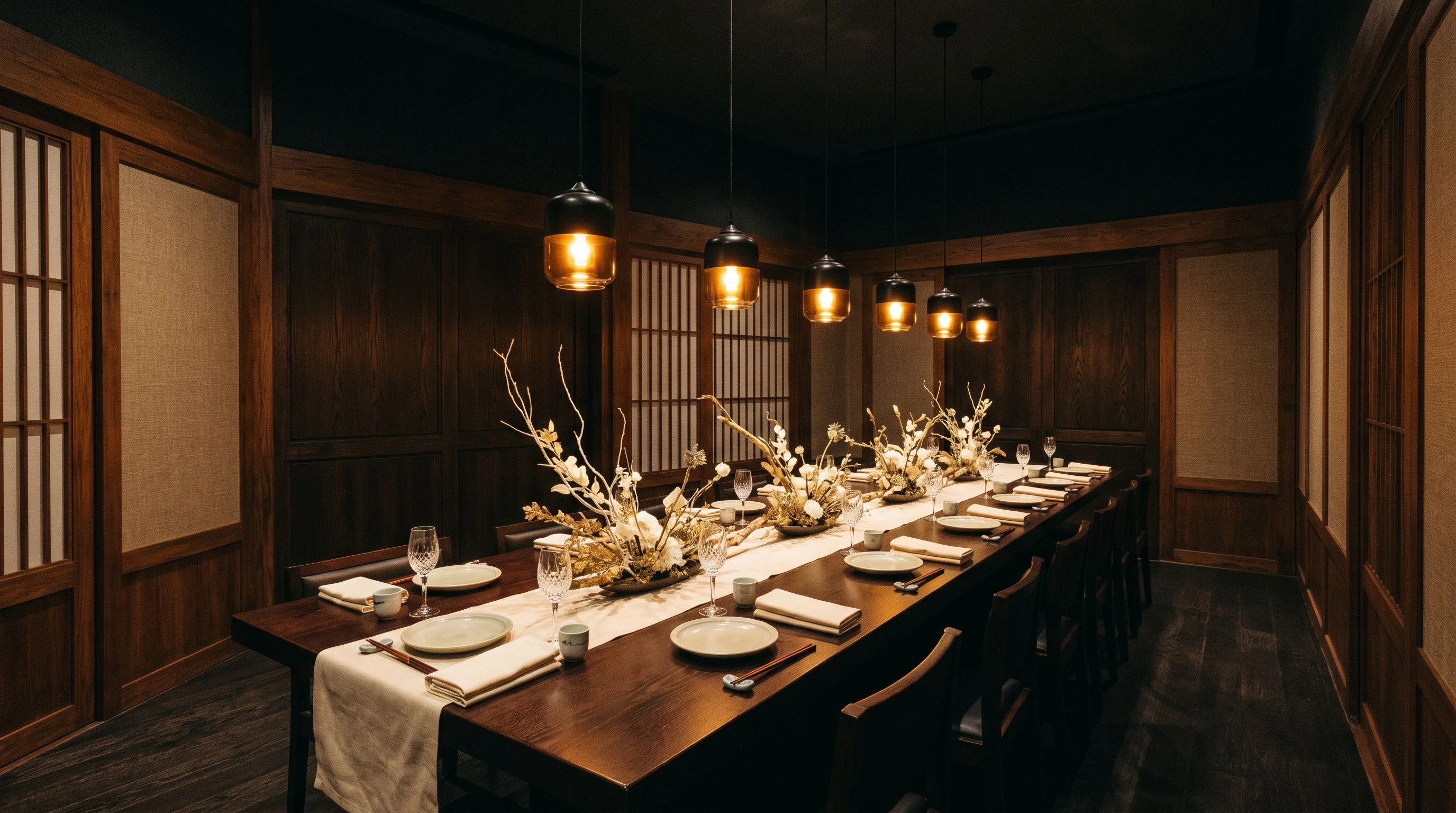
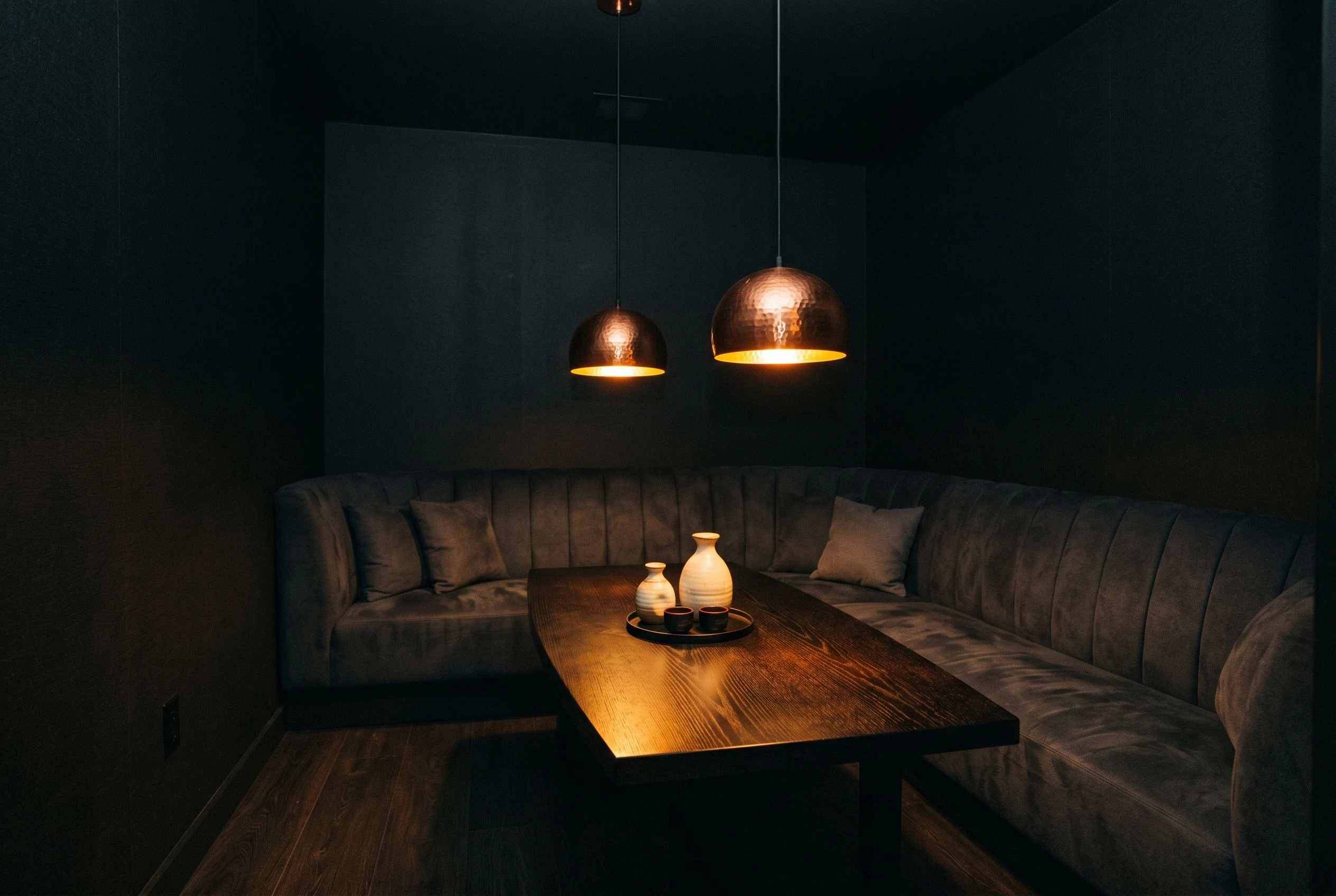
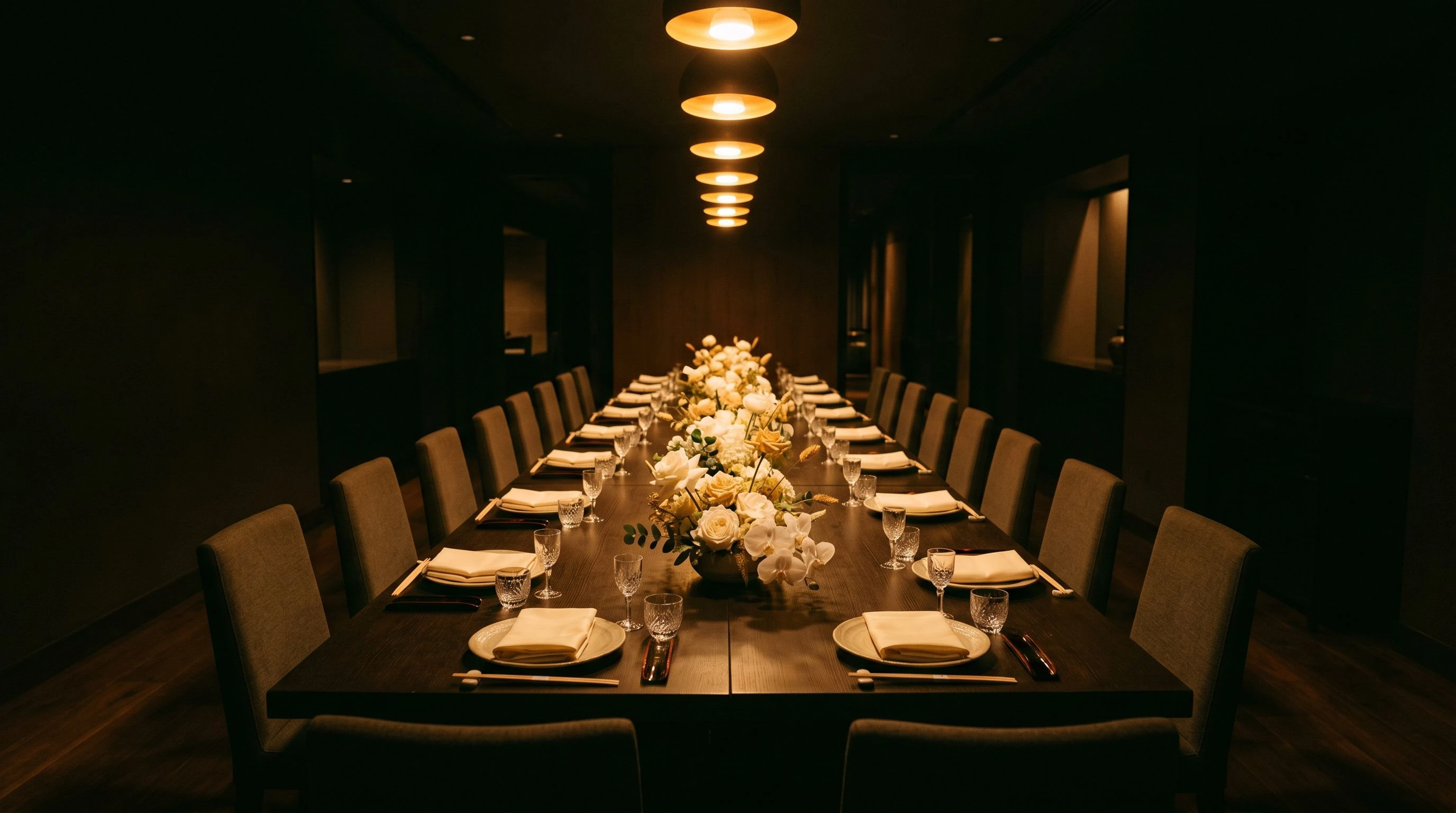
The only room in New York that is entirely, unconditionally yours.
Capacity 8 to 30 guests
Privacy Fully enclosed — zero shared sightlines, no adjacent tables, no incidental contact with the main dining room
Coordination One dedicated event manager, from first inquiry through the final course
There is a particular quality of attention at Sunrise on Mount Fuji — an alertness in the kitchen that the diner feels before the first piece arrives. It is the quality that separates a counter from an experience.
Read full reviewFour dining formats, one kitchen, one conviction. Sunrise on Mount Fuji has given New York the Japanese restaurant it spent a decade not knowing it was missing.
Read full reviewThe private dining room is the detail that settles the argument. Fully enclosed, impeccably managed, and unlike anything else currently operating in this category in the city.
Read full reviewWe have used the private room three times this year. The event manager handled everything — the menu customisation, the dietary restrictions, the timing. Our clients ask where we are going before we finish proposing it.
The evening is waiting. The only question is which one.
Limited seatings Wednesday through Sunday — counter reservations open three weeks in advance